








Changing a baby properly: Step-by-step guide
Quick answer: Before changing your baby, have a diaper, warm water, a soft washcloth, and a change of clothes ready. Change your baby on the floor if possible, or always keep one hand on them when using a changing table. Clean gently from front to back, pat the skin folds dry, and fasten the fresh diaper so that it fits well but is not too tight. During the first few days, keep the belly button dry and the diaper edge underneath it.
For many parents, the first time changing a baby feels unfamiliar. After a few tries, it will become a calm daily routine. What matters are not complicated techniques, but a secure surface, good preparation, and gentle cleaning. This guide shows you step by step how to change your baby properly – at home and on the go.
Changing your baby: the process at a glance
| Phase | What you do | What to look out for |
|---|---|---|
| Preparation | Wash your hands, lay everything out | Keep everything within reach |
| Cleaning | Clean off the bulk of the mess, then gently clean again with warm water | Wipe from front to back |
| Drying | Carefully pat the skin and folds dry | Do not rub; let the skin air for a moment |
| Fresh diaper | Put on and fasten a clean diaper | Allow freedom of movement; do not cover the belly button |
What do you need for changing your baby?
For the basic routine, you need very little: a secure, wipe-clean surface, a fresh diaper, warm water, a soft washcloth, and a change of clothes if necessary. A small towel for patting dry and a container or bag for the used diaper are practical. You do not necessarily need care products for every diaper change.
Lay everything out on your side of the changing surface – never behind your baby's head or out of your reach. If you realize something is missing later, take your baby with you or place them safely on the floor. You can find detailed guidance on setting up and equipping a changing area in the guide Setting up a changing area without a changing table.
Changing your baby properly: step by step
1. Choose a safe place
The floor is the safest place to change your baby because they cannot fall from it. When using a changing table, stay right next to your baby and always keep one hand on them. This also applies even if your baby cannot yet roll over. New movements can occur suddenly.
2. Wash your hands and prepare everything
Wash your hands before changing your baby and have a diaper, water, cloth, and clothes ready. Open the fresh diaper beforehand. This leaves one hand free and means you do not have to turn away while changing your baby. Wash your hands thoroughly afterward as well.
3. Remove the dirty diaper
Open the diaper and use its clean front to remove the bulk of the mess in the direction of the bottom. Gently lift the pelvis by carefully grasping the lower legs; do not pull abruptly on the feet. Fold up the used diaper and set it aside out of your baby's reach.
4. Clean gently and thoroughly
Warm water and a soft washcloth are often sufficient for everyday use. Clean the diaper area carefully and do not forget the skin folds. For girls, wipe from front to back so that intestinal bacteria do not spread toward the urethra. For boys, gently clean the penis, scrotum, and surrounding folds; do not forcefully pull back the foreskin.
Baby wipes are practical when you are out and about. Choose a mild, fragrance-free, and alcohol-free option whenever possible. Strongly scented or unnecessarily harsh products can irritate sensitive baby skin.
5. Pat the skin dry and let it air for a moment
Carefully pat the skin dry, especially in the folds. Rubbing can further irritate the skin. If the situation allows, let your baby kick around without a diaper for a moment. Air on the skin feels pleasant and helps prevent prolonged moisture.
6. Put on a fresh diaper
Slide the open diaper under the bottom so that the back edge is roughly at waist height. Fold up the front part and fasten both sides evenly. The diaper should fit snugly without constricting the belly or legs. Check that the leg cuffs are facing outward and that your baby can move their hips and legs freely.
Key takeaway: A good changing area is not the one with the most accessories, but the one where you can hold your baby securely and reach everything you need with one hand.
How often should you change your baby's diaper?
There is no set number that works for every baby. Check the diaper regularly, change it often, and change it as soon as possible after a bowel movement. This keeps the skin drier and makes cleaning easier. Some babies clearly indicate a full diaper, while others do not – that is why checking regularly is more important than a fixed schedule.
Belly button care when changing your baby
During the first few days, the belly button should remain as clean and dry as possible. Fold the front edge of the diaper down or use the designated opening so that nothing rubs against it. Do not routinely clean the belly button with creams or powder. If you notice redness, swelling, discharge, an unusual odor, or are unsure, contact your midwife or pediatrician.
What helps with a sore bottom?
Change the diaper more often, clean with warm water and a soft cloth, and pat the skin completely dry. Short periods without a diaper can be pleasant. If necessary, use only suitable protective products and follow the advice of your midwife or doctor. If the redness spreads, becomes wet, blisters form, your baby is in pain, or the symptoms do not improve despite gentle care, have the skin examined by a professional.
Practical changing aids for home and on the go
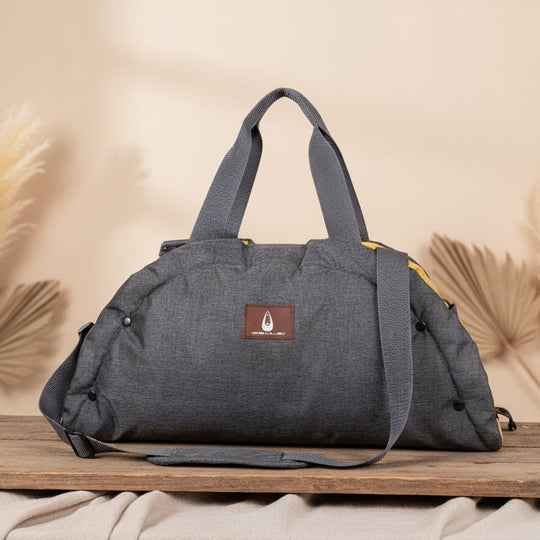
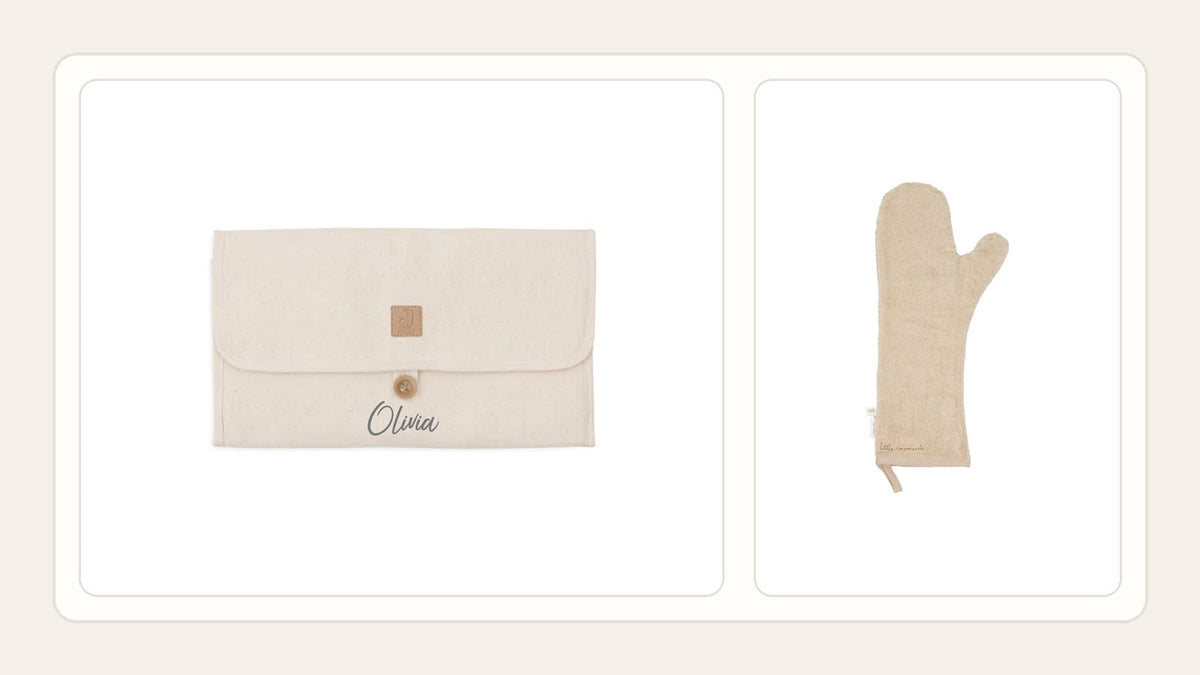
The following products do not replace a secure changing routine, but they can help keep things organized and make changing easier when you are out and about. All the items shown here were active, publicly accessible, and available in at least one version during the editorial review.


Packing a diaper bag: a simple basic list
- two or three suitable diapers for the planned journey plus a small reserve,
- foldable changing mat,
- soft cloth and water or mild baby wipes,
- a complete change of clothes,
- small bag for the used diaper or wet clothes,
- a thin blanket if needed.
For the first outings, the guide First Walk with Baby is also helpful. And if your first night at home is approaching, you will find some reassuring guidance here: First Night at Home with Baby.
Common mistakes when changing your baby
- Turning away briefly: Even a few seconds are enough for an unexpected movement. Always keep one hand on your baby when using a changing table.
- Using too many products: Fragrances and frequently changing products can irritate sensitive skin. Simple is often better.
- Putting on a wet diaper: Before a fresh diaper, pat the skin folds dry.
- Fastening the diaper too tightly: The diaper should fit snugly but allow freedom of movement.
- Covering the belly button: During the healing phase, keep the diaper edge underneath the belly button.
Frequently asked questions about changing your baby
Should you change your baby before or after feeding?
Both are possible. Many babies are calmer before feeding and are less likely to spit up when being lifted. If the diaper is full after feeding, wait a moment and move your baby particularly gently. Hunger, well-being, and a full diaper are the deciding factors.
Do you need baby wipes for every diaper change?
No. At home, warm water and a soft cloth are usually sufficient. When you are out and about, mild wipes without fragrance and alcohol can be a practical solution.
How do you properly clean a girl?
Always wipe from front to back and gently clean visible mess. This prevents intestinal bacteria from spreading toward the urethra.
How do you properly clean a boy?
Gently clean the penis, scrotum, and skin folds from the outside. Do not pull back a foreskin that does not retract on its own.
Do you need to use powder when changing your baby?
No. Powder is not necessary for a normal diaper routine and should not be left open within your baby's reach due to the risk of inhalation.
What do I do if my baby cries when I change them?
Speak calmly, maintain eye contact, and make sure the water and room are pleasantly warm. A familiar song or a short, consistent routine can help. At the same time, check if your baby is hungry, tired, cold, or if their skin is irritated.
When should a sore bottom be examined by a doctor?
If the skin appears severely inflamed, is wet, has blisters or open sores, your baby is in pain, or the symptoms do not improve despite gentle care, have it examined by a midwife or pediatrician.
Conclusion: safe, gentle, and well prepared
Changing your baby properly means above all: preparing everything, never taking your hand off your baby, and treating their skin as gently as possible. Warm water, a soft cloth, and a suitable diaper are enough for the basics. With a consistent routine, the first cautious attempts will quickly become a familiar, calm care routine.
Professionally reviewed using official information:
- BIÖG: Changing your baby properly
- BIÖG: The safe changing area
- gesund.bund.de: Diaper dermatitis
- BIÖG: Belly button care
This guide does not replace individual medical advice.
